


Booking diagnosis calls for Q4 2026

Your company already runs on a system. It just isn't software yet.

It lives in the scheduler's head, in a shared spreadsheet, in the long email explaining how a quote really gets approved. I build the software version: quoting, jobs, crews, invoicing, and margin in one system shaped to your process, with agents handling the retyping.

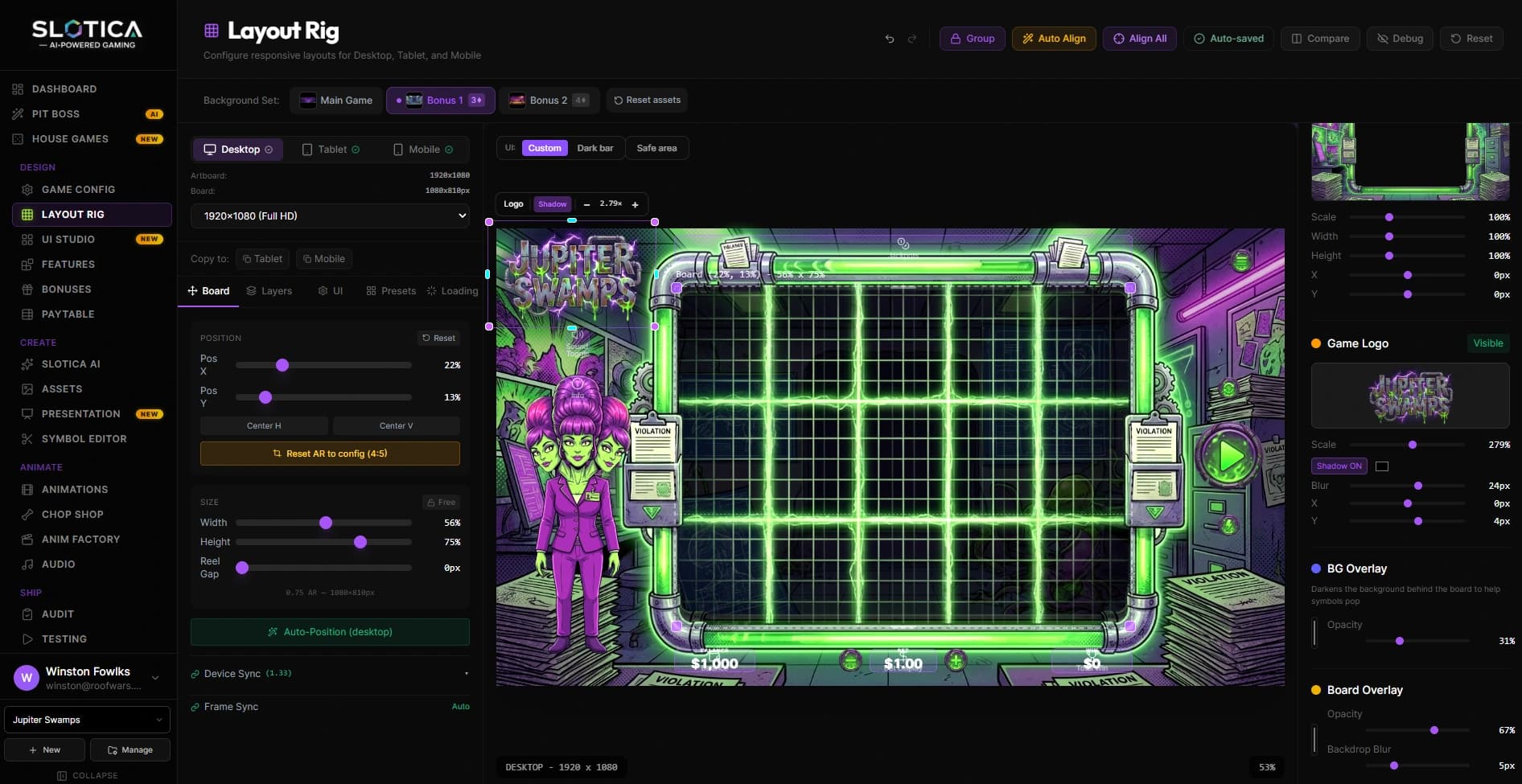
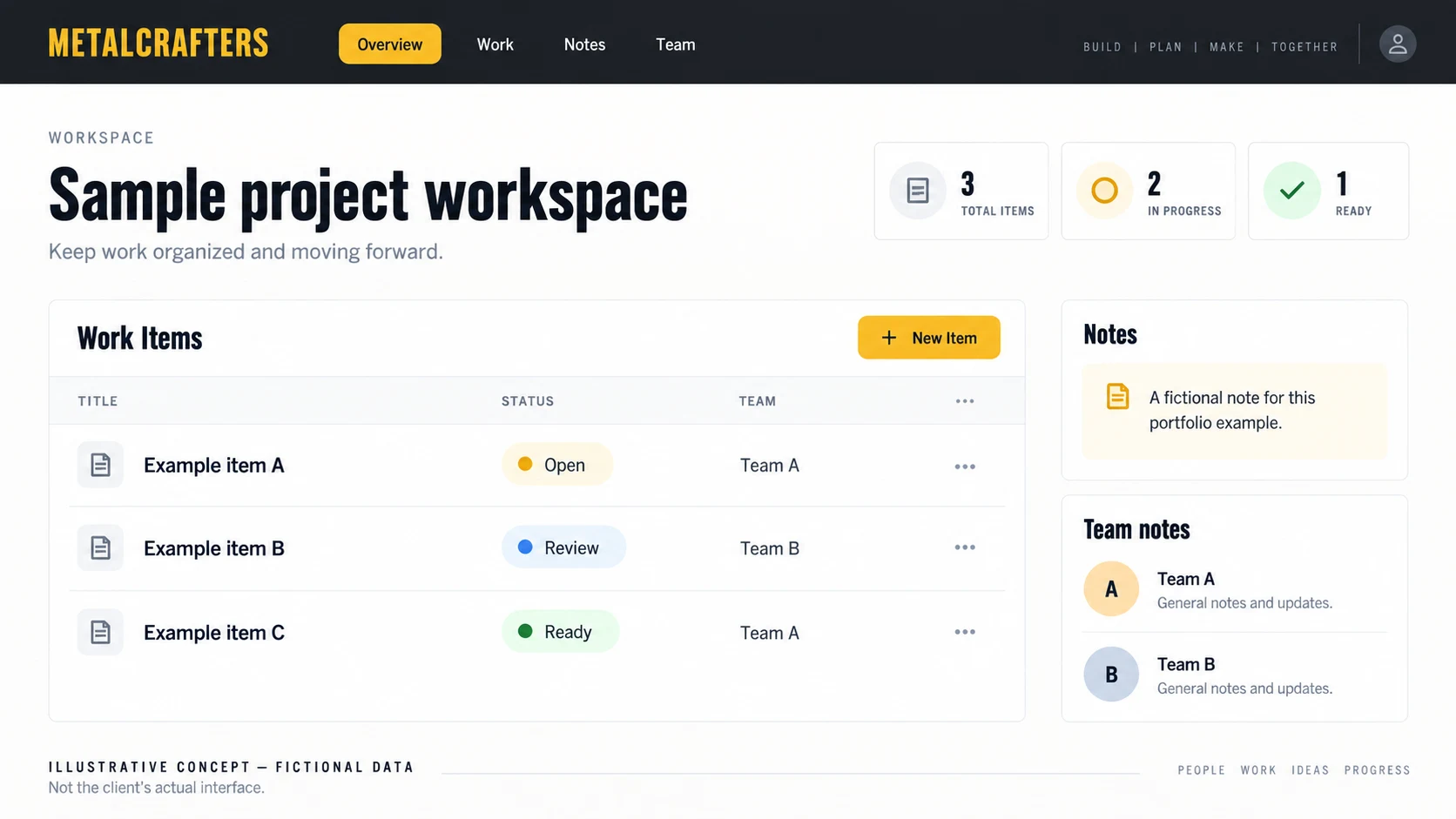
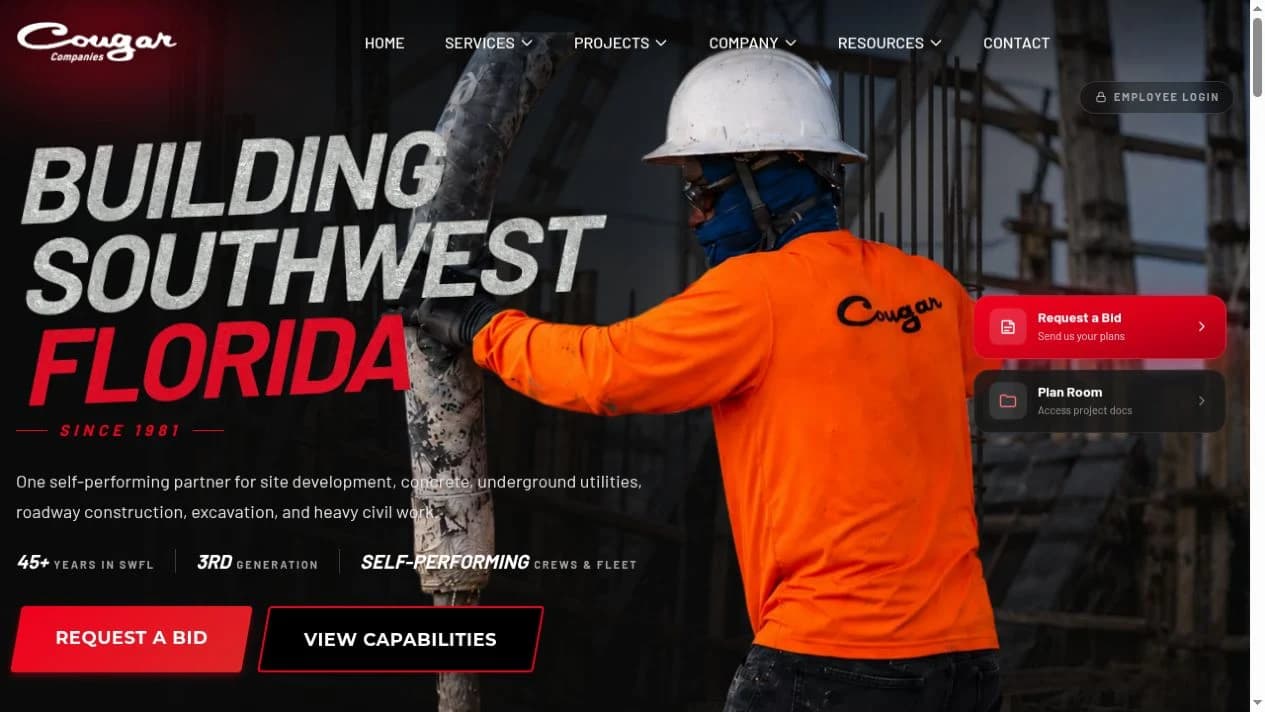
Seegars Fence, Cougar Companies, and Metalcrafters run on theirs every day.

3
Companies whose daily operations run on my software
5
Branches on one system, off a 1990s desktop platform
1,443
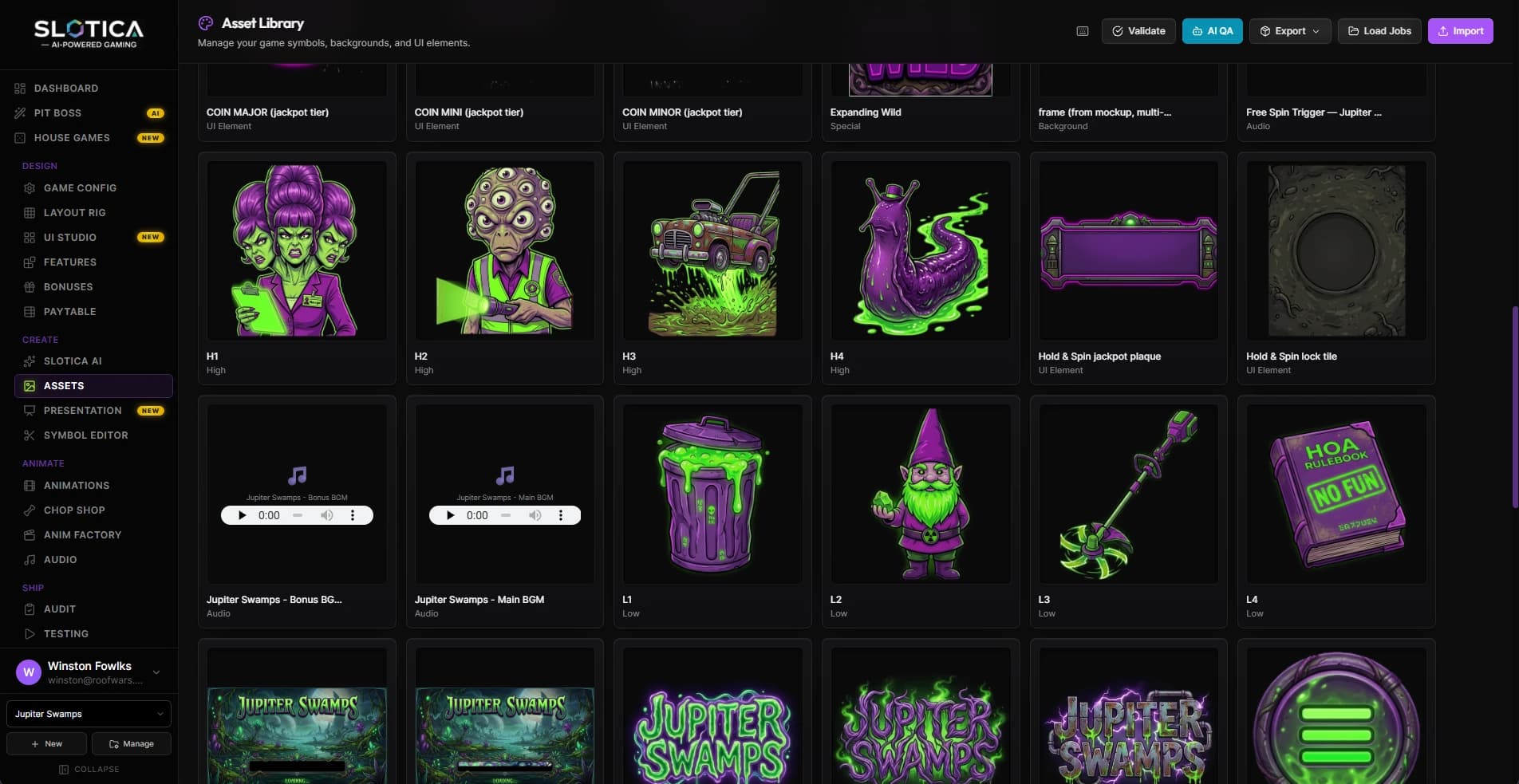
SKUs modeled in one material catalog
10 min
To build a Seegars job that took 2 hours

Off-the-shelf software makes the business change shape.

The connective tissue holding your tools together is your actual operating system. It runs the company. It just is not written down anywhere, and it is not software yet.

The diagnosis

You are not short on software

Companies between $2M and $50M in revenue usually have too much of it. A CRM the sales guys quit opening, two spreadsheets that are the real source of truth, and one person who remembers how it all connects.

Why rollouts fail

Packaged products caused it

Every product is built for the average of ten thousand companies, fits none of them, and the gaps get patched with people retyping things between tabs.

Why the retainer exists

The shape keeps moving

A growing company adds branches, service lines, and rules. A system that cannot absorb them becomes the next constraint you have to work around.

One system, three moving parts.

Not a menu. Three parts of one system. What changes between clients is vocabulary: a job at a fence company and a job at a fabrication shop move through different stages, so the software gets different stages.

01

The System of Record

One platform the company runs on, built in your vocabulary instead of a category average. Quoting off your own catalog, jobs in your own stages.

  • Quoting and cost engines against your real catalog and price tiers
  • Job lifecycle, scheduling, and dependency-aware production boards
  • Partial invoicing, change orders, and costing tied to the original quote
  • Branch and role scoping with row-level isolation
02

The Agent Layer

AI with an account inside your system, which is the only kind worth paying for. It reads the job you are looking at, not a copy of your data from last night.

  • Function calling against your live data, not a copy of it
  • Voice and photo straight to the job record
  • Meeting recording to assigned tasks and an updated schedule
  • Document intelligence for COIs, submittals, drawings, and contracts
03

Nothing Retyped Twice

The connective work that makes disconnected tools behave like one system. Unglamorous, and usually where the payback shows up first.

  • Migration off legacy platforms with history intact
  • Accounting and payment integrations
  • Field-to-office sync so crews and admins see the same job
  • Documents, photos, and files attached to the job record

Built once. Then kept.

Seegars Fence, Cougar Companies, and Metalcrafters are each running a platform I built, and I am still shipping to all three.

See the systems in production

Consult. Design systems. Transform.

Three steps, in that order, every time. The first one costs the least and decides the most.

01First six weeks

Consult

Read the operating model before writing anything

I ride along. Sales calls, dispatch, the yard, the back office, month-end close. You get a written map of how a job moves through your company and where it stalls.

02Before any code

Design systems

Settle the business logic on paper, where it's cheap

Data model, roles, job lifecycle, approval rules, screen by screen. The argument about who approves margin happens before it costs anything to change the answer.

03First module in 90 days

Transform

Move the company onto it, then stay

First module in production inside 90 days. The old system keeps running while workflows move across one at a time, so the company never stops billing.

The vocabulary changes. The problem does not.

A job has to move from first call to collected payment without anyone retyping it. That is the same problem in a fence yard, a fabrication shop, and an HOA office — the stages are just named differently, so the software names them differently.

See the case studies
Industries served
Fence Contracting
Seegars ONE — five branches, 1,443-SKU catalog, quote to invoice
Custom Fabrication
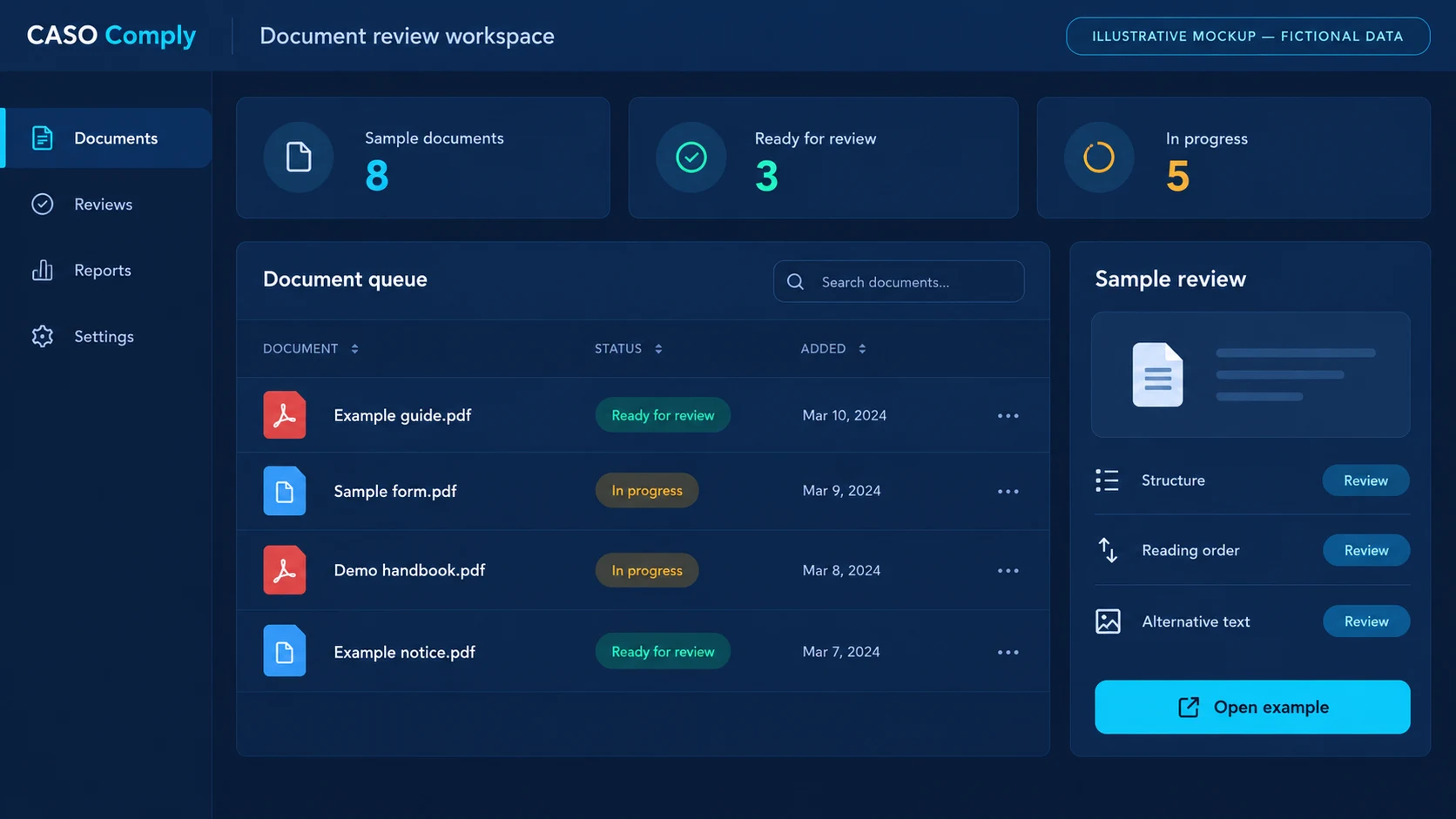
Metalcrafters — submittals, production boards, the Steely agent
Construction
Cougar Companies — plan room, bid tracking, lead pipeline
HOA & Property Mgmt
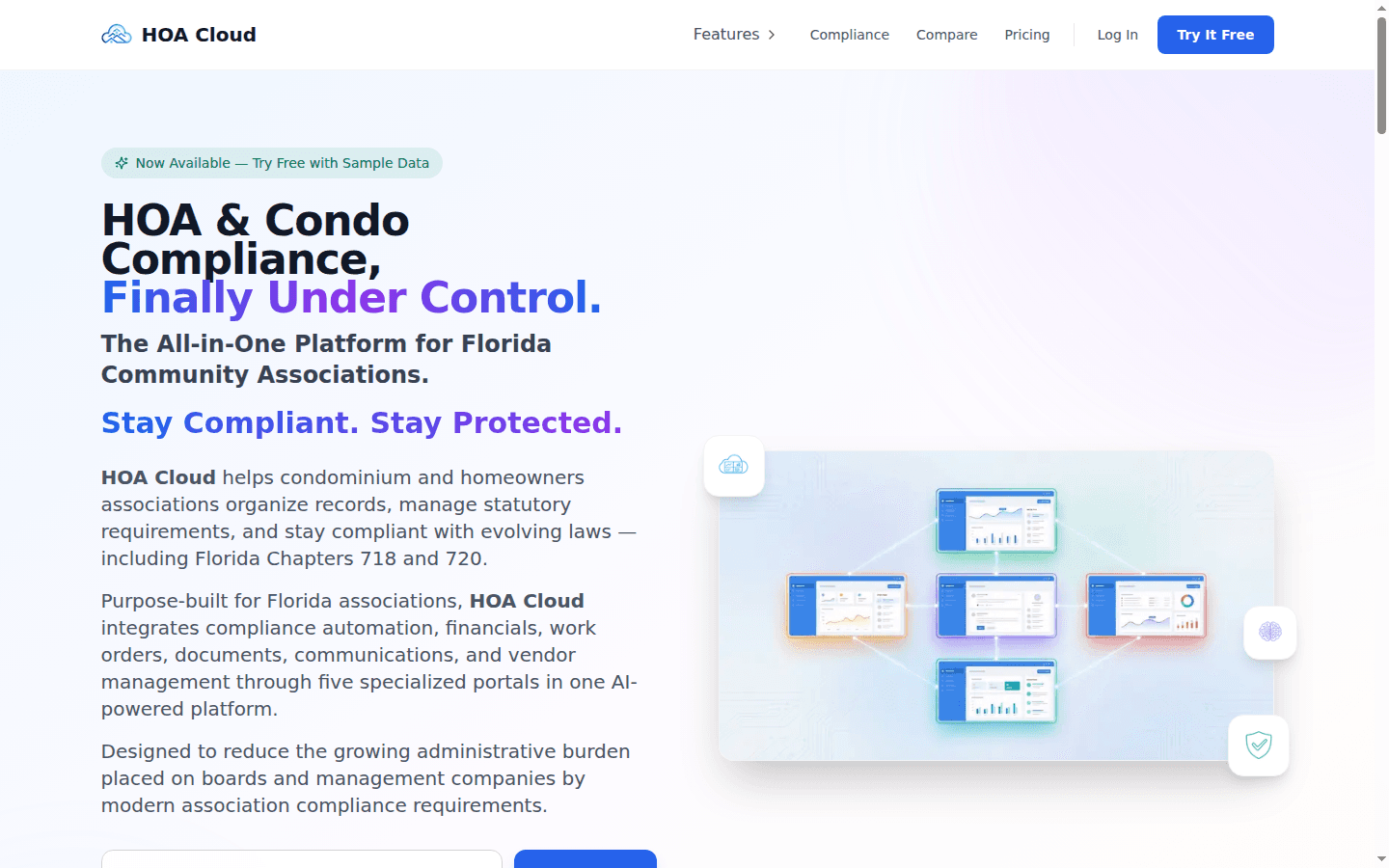
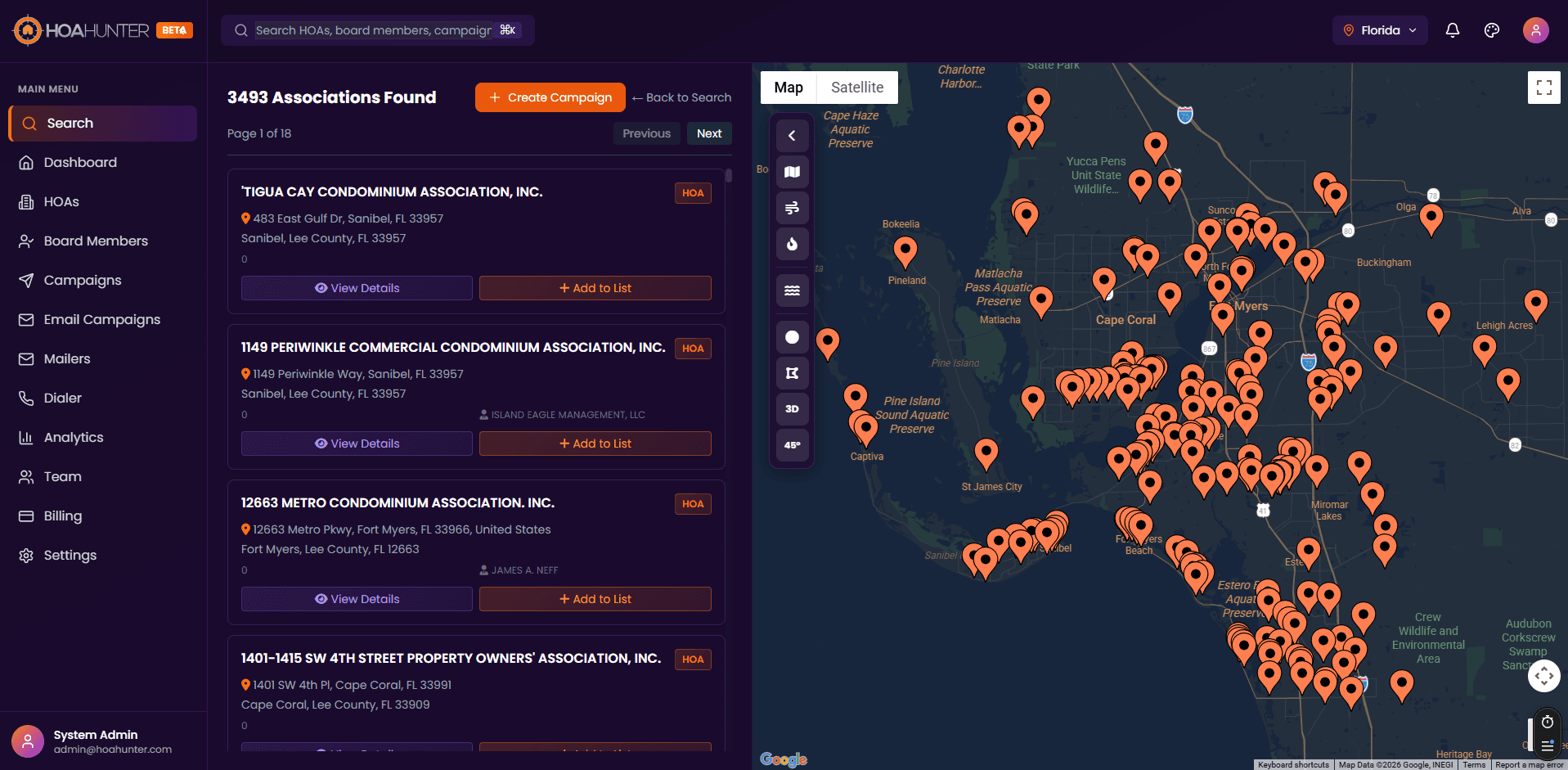
HOA Cloud — multi-tenant portals, residents on the same records
E-commerce
Storefronts wired to the same system of record
Agent-Native Tooling
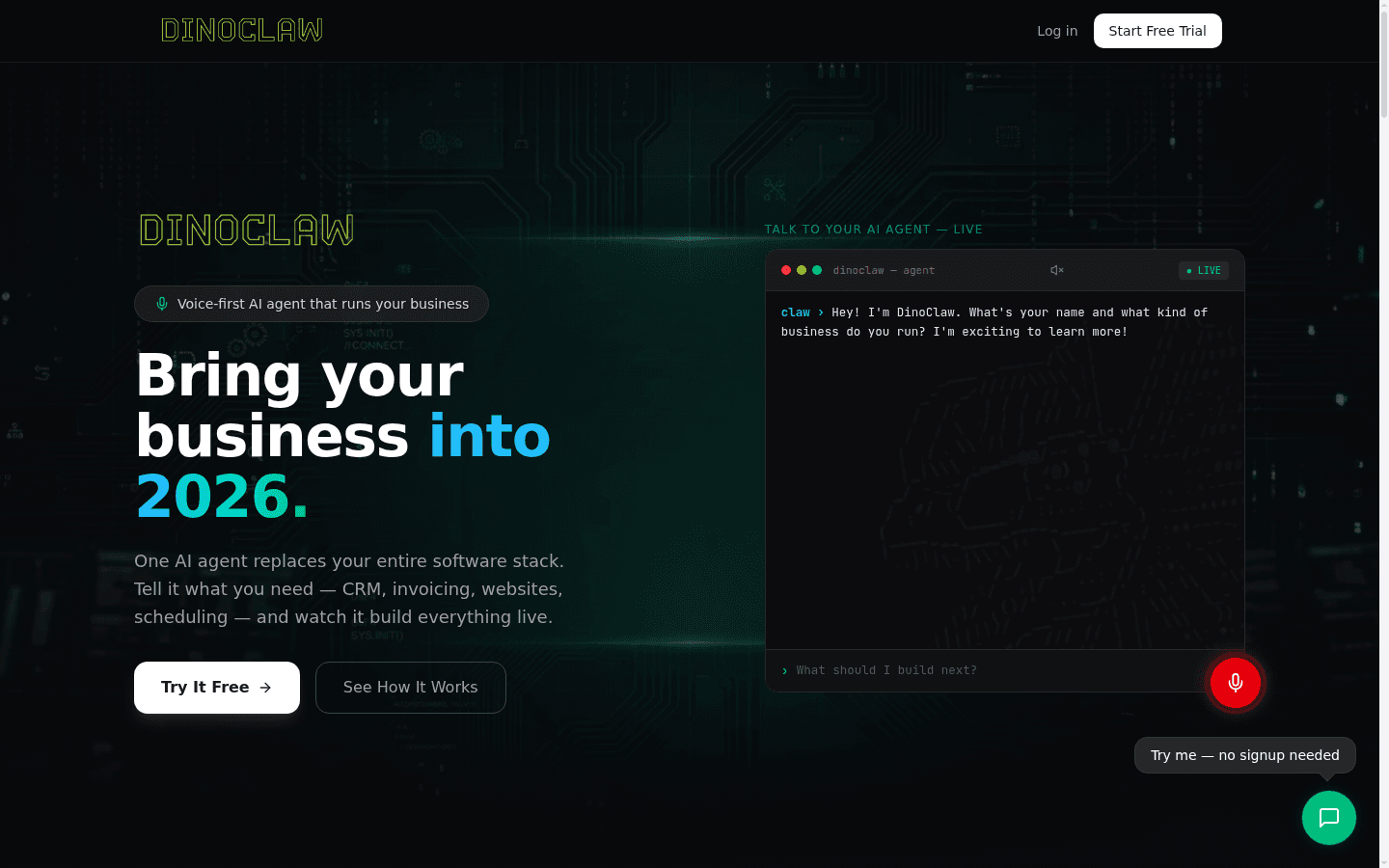
DinoClaw — internal ERP where agents hold real privileges

From paperwork to parallel processing.

The same business operations, before and after AI integration. Not science fiction — every example below is in production code at one of the case studies on this site.

Before and after AI transformation
Before

Sales rep takes a 15-minute call, types the notes into a spreadsheet, emails it to the office.

After

Sales rep records the call. Agent extracts the prospect, fence type, materials, footage, and pricing. Job created in 2 minutes.

Before

Subcontractors get bid packages by email. Half forget. The other half need three reminders.

After

Vendor portal. Self-serve documents, automated 2-week / 1-week / 3-day reminders, full engagement audit trail.

Before

Office staff prints job cards. Field crews handwrite hours and photos. Office re-keys it back into the system.

After

Field crews update jobs on phones — photos, signatures, time entries — and the office sees it live.

Before

Owner pulls 4 reports from 3 dashboards every morning to figure out what changed yesterday.

After

AI brief in their inbox at 7am: who reached out, which leads are hot, what slipped, what to do today.

Real infrastructure. Frontier models.

Not a no-code stitch-together. Production code on the stack the rest of the internet is moving to — Next.js 15+, Supabase, Vercel — wired into the latest models from OpenAI, Google, and Anthropic.

Modern stack architecture

AI / LLMs

  • OpenAI GPT-4 / GPT-Image-2
  • Google Gemini 3 Pro/Flash
  • Anthropic Claude
  • ElevenLabs TTS
  • Whisper / Deepgram

Frameworks

  • Next.js 15+ (App Router)
  • React Server Components
  • TypeScript everywhere
  • Tailwind CSS
  • Framer Motion

Infrastructure

  • Vercel + Fluid Compute
  • Supabase Postgres + RLS
  • Drizzle ORM
  • AWS Aurora Serverless
  • Terraform / Docker

Integrations

  • Stripe + Stripe Connect
  • Twilio (SMS / WebRTC)
  • Resend (transactional email)
  • Google Maps + Places
  • Custom MCP servers

What owners say.

Direct quotes from owner-operators who've hired me. AI-era client testimonials landing soon.

Winston can take a poorly described concept and make it exactly what we're looking for. He just gets it and delivers beyond expectations every time.
R
Rast Bryant
Owner, Lloyd Roofing
Roofing · Owner-Operator

Tell me how a job moves through your company.

Every engagement opens with a six-week diagnosis and continues on a monthly retainer. I take a small number of clients at a time and I stay for years.

Your code and your data, exportable
Direct line to me, no account manager
A few clients at a time